a detailed comparison of outdoor versus indoor dog kennels
Choosing the right kennel for your dog is a crucial decision that impacts their comfort, safety, and wellbeing. As of 2026, many pet owners find themselves weighing the benefits of outdoor kennels against their indoor counterparts. Each type has its unique advantages and disadvantages, and understanding these can help you make the best choice for your four-legged family member.
Understanding Outdoor Dog Kennels
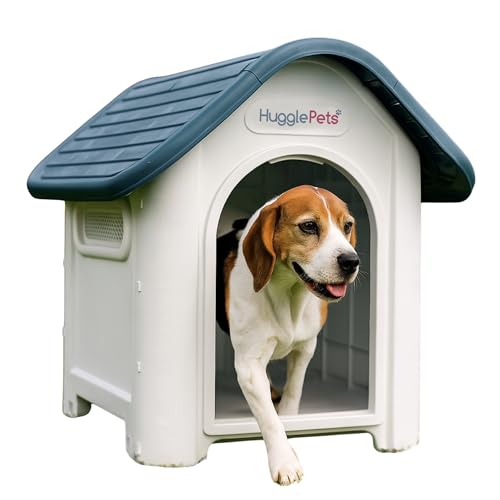
Outdoor dog kennels are specifically designed for outdoor use, allowing your dog to enjoy fresh air and sunshine while remaining secure. Typically constructed from durable materials like metal or treated wood, these kennels can withstand various weather conditions. A well-designed outdoor kennel provides ample space for your dog to move around and play, which is essential for their physical and mental health.
One of the significant benefits of outdoor kennels is that they allow dogs to interact with nature. This exposure can help in stimulating their senses and keeping them mentally engaged. Furthermore, an outdoor kennel can be an excellent solution for dogs that are used to being outside or for breeds that require more space to roam.
Key Features of Outdoor Dog Kennels
When considering an outdoor kennel, look for features such as a solid roof for protection against rain and sunlight, secure fencing to prevent escapes, and proper drainage to keep the area dry. Additionally, providing shade and shelter within the kennel can enhance your dog's comfort during extreme weather conditions.
People Also Look For:
- Dog Car Carrier Stable and Light Weight, 61×45×52cm Dog Carrier for Cars, Portable Dog Car Crate with Breathable Windows, ...
- Feandrea Dog Crate, Foldable Dog Cage with 2 Doors, Removable Tray, 122 x 74.5 x 80.5 cm, XXL, Black PPD48H
- MyNvy dog kennels for outside insulated outdoor dog house Large Dog House Outdoor for Large Dogs - Gray
- Heavy-Duty Outdoor Dog Kennel 120 x 120 x 70.9in, Large Galvanized Steel Enclosure with Weatherproof Roof, Lockable Door & 2 Rotat...
- Pawaboo Portable Dog Playpen, 600D Oxford Pet Tent, Gray
Advantages of Indoor Dog Kennels
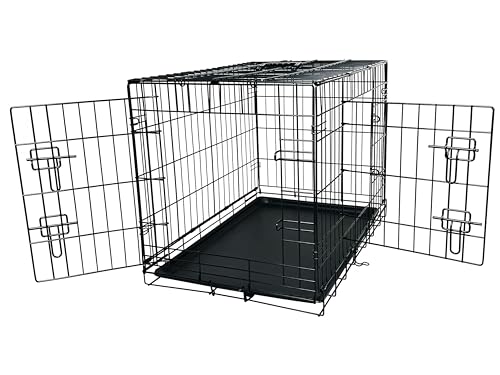
On the other hand, indoor dog kennels are designed to be used inside the house. They are typically smaller and can be set up in various areas of the home, such as the living room, kitchen, or utility room. Indoor kennels offer a secure space for dogs, particularly puppies or those that are not yet fully house trained. They can serve as a safe haven where your dog can relax or retreat when they need some quiet time.
Indoor kennels are often easier to monitor, allowing pet owners to keep an eye on their dogs throughout the day. This can be particularly beneficial for dogs that suffer from separation anxiety. Furthermore, they prevent exposure to outdoor elements, such as cold weather or rain, helping to maintain your dog’s health and comfort.
Considerations for Indoor Dog Kennels
When selecting an indoor kennel, consider its size carefully. It should be big enough for your dog to stand, turn around, and lie down comfortably. Many indoor kennels also come with removable and washable bedding, making maintenance simpler. Look for kennels made from durable materials that are easy to clean, such as plastic or fabric, and ensure there is proper ventilation to keep the environment fresh.
Comparing Costs
Safety and Security
Safety is paramount in both outdoor and indoor dog kennels. Outdoor kennels require secure fencing and locks to prevent escapes and protect against wildlife. Conversely, indoor kennels should have sturdy construction to prevent chewing and ensure your dog's safety, especially if they are prone to anxiety or destructiveness.
Practical Advice for Choosing
Ultimately, the decision between an outdoor and indoor kennel should be based on your dog's needs, your living situation, and your lifestyle. Think about how much time your dog will spend in the kennel and whether they require more space or prefer being closer to the family. If possible, try both kennel types to see which your dog adapts to best.